 EN
EN

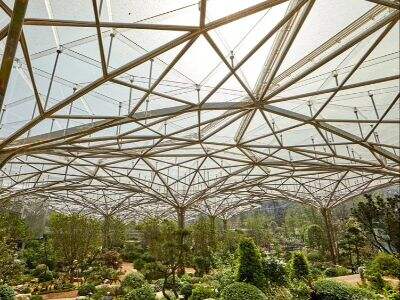
When constructing heavy metal structures for factories and industries, it is very important to consider the ability of these buildings to withstand earthquakes. The Registrars of the Seismic Records Earthquakes can do tremendous damage, and structures not built to withstand them can collapse or be so damaged that they must be torn down. At Chooshine, we realise the importance of safety and strength in buildings of this type. Rather, our aim is to fabricate rugged metal structure that can withstand the shaking from an earthquake. With smart strategies, we can help ensure that these buildings are not only safe, but also sound and serviceable in the years ahead.
The Best Way to Guarantee Quality Seismic Design in Commercial Steel Buildings
Engineers need to draw on specific practices to ensure that metal structures can withstand earthquakes. A key approach is the use of soft materials. The building is flexible, like muscle tissue, and that limberness is in part what allows it to absorb shock without breaking. A tall tree swaying in the wind, it bends but doesn’t break. Metal structure can be fashioned to perform in much the same fashion. Strong braces can also be added to support the building. These braces are like the ribs of a person, providing strength and support to the body. What’s more, engineers often use special foundations constructed to move as the ground does. These are shock absorbers for the building. They minimize the jolt of an earthquake by spreading its impact.
Another factor is the weight of exoskeleton. It is important that heavy structures are designed so that they don't succumb to the pull of gravity. Engineers measure the weight and balance of a building to ensure it remains upright. They consider how the building is arranged. Rooms and machinery inside should be laid out to designate how weight is balanced. This prevents any one section of a building from being too heavy and collapsing.
Testing is also crucial. By making computer models, engineers can test how a building would respond to an earthquake before it’s even built. This enables them to tweak and improve the design before construction even begins. Especially once the building is built, it’s important to inspect regularly to make sure it stays safe over time.
Here at Chooshine, we appreciate the importance of all these. We are committed to making every metal building we produce safe and dependable through our team of experts. We are absolutely convinced that a well-designed building is not only about simply following rules; it’s about saving lives and ensuring industries can continue to operate smoothly, even when things get tough.
Where to Turn for Expert Advice on Seismic Design of Industrial Buildings?
Getting the proper assistance for your earthquake resistant metal building design is necessary. There are a lot of ways to get advice from those who know what they’re doing. First of all, contacting Seismic Design engineering firms is a good place to start. Such firms have specialists who are well-versed with advanced technologies and techniques of earthquake-resistant design. But they can offer some gems and be useful in the planning process.
Another alternative is by reading technical books and attending seminars related to seismic design. These events are usually attended by well-versed presenters that share their learning experiences. It can also provide useful connections meeting other pros in your field. At these meetings, you can ask questions, exchange ideas and benefit from others’ experiences.
Online resources are also available. There are countless organizations that write articles, guidebooks and videos about seismic design. Engineering and construction-oriented websites can sometimes be a gold mine of information. Folks can go and find case studies that illustrate successful projects and the mechanisms behind those designs.
Furthermore, local building authorities may offer information with respect to specific rules and codes applicable to your region. This is worth doing, because the rules help to ensure the level of safety. You may find local government agencies are rich in resources, or able to connect you with experts familiar with the challenges in that region.
At Chooshine we’re with you all the way. We highly recommend everyone working in industrial construction to spiral the right advice and support paths. With the right help and information, we can all contribute to building safe and durable structures that stand up to whatever Mother Nature throws at them.
Seismic Design for Safety and Durability of Steel Construction
Seismic design is akin to a special plan that maintains buildings and structures safe during earthquakes. When it comes to heavy metal industrial structures, such as factories or warehouses, we need to be confident that they can withstand a ground shaking of strong intensity. During an earthquake, the ground moves in ways that can be very harmful to buildings. If those structures aren’t designed well, they can collapse or be damaged and that can result in injury or even loss of life. This is where seismic design becomes useful.
And for a company like Chooshine, which constructs sturdy metal structures, applying the principles of seismic design has meant that it can produce buildings strong enough to stand firm. They are using special materials and shapes that help the metal structure building move with the shaking of the earth rather than against it. In this way, the metal frame can soak up some of the energy of an earthquake, lessening the likelihood of serious damage. Engineers study what that building is made of, where it’s built and how it’s shaped in order to figure out how to make the next one stronger. For instance, they might add cross-bracing, in which extra metal supports are crossed into an X to stabilize the structure.
In placing seismic design front and center, Chooshine isn’t just ensuring that its buildings will stand longer; it’s also keeping people safe. If a factory must close because of earthquake damage, it can be very costly. But with sensible seismic design, those buildings can remain open (and its workers safe and the businesses in them running). This says that investment in seismic design is not only life-safety, it also makes sense business-wise. And there's the matter of building for seismic stability anyway: Buildings that are seismically sound will last longer and be more usable, even as future earthquakes strike.
What New Tech is Changing the Search Design for Seismic in Industrial?
Today, there are many new and exciting ideas that are revolutionizing the way we engineer buildings for earthquakes. For Chooshine, these cutting-edge technologies can quite literally mean the difference between life and death in terms of how safe their metal structures are. An example of such tool is computer modeling. Engineers can utilize special software to generate a digital model of a building. That allows them to work out how the building will respond when an earthquake rocks it, long before it is constructed. They have the freedom to experiment with various designs and materials to determine what works best. This saves time, money and ensures the building is safe.
Base isolation Base isolation is another method being applied. This is a smart technique where the structure does not directly connect to topsoil but instead utilizing particular pads or bearings. Those pads can slide during an earthquake, allowing the shaking not to go into the building above. The building and all that's inside is protected with this technology. Including, Chooshine is able to apply Base Isolation in their heavy industry application to assure their machine and workers’ safety even when the ground is trembling.
Drones, tightly in tune with seismic design, are gaining popularity too. They can also hover over construction sites to snap photos and collect data. This allows engineers to look at the way a building is being constructed and verify that everything is going according to the design. The data gathered by drones can be used to optimize design and construction, creating options that are safer and more efficient.
And armed with these emerging technologies, Chooshine is able to make not just strong metal structures but also smart ones. They can use data and sophisticated tools to take decisions that make themselves safer. None of that is being left to chance, however: everything from repurposed lifting equipment to reinforced steel design and a series of German-sourced materials are combining to make it easier for seismic design in general- and the lives and property that they protect in particular – work with heavy industry.
What Advantages Would Come From Using Seismic Design In Heavy Industrial Projects?
There are lots of benefits to incorporating seismic design on heavy industrial jobs. For Chooshine, workers’ safety is one of the biggest benefits. When buildings are designed to be earthquake safe, the likelihood of injury or death diminishes. This can make for happier, more secure staff, confident they’re in a secure environment. Workers who feel safe are more productive and do better at their jobs, which is good for business.
Another benefit is financial savings. The very vastest majority of the shaky high rises and regular buildings are not constructed using expensive seismic design features. This will spare the company from having to spend a lot of money on fixing or replacing damaged property. For heavy industry projects, the stakes of downtime are much higher. When an earthquake hits, a factory that has to be shut down due to damage can bleed money quickly. Throughout investment in proper seismic design, Cooshine can provide for their people that even during an earthquake, the buildings continue to operate.
Table of Contents
- The Best Way to Guarantee Quality Seismic Design in Commercial Steel Buildings
- Where to Turn for Expert Advice on Seismic Design of Industrial Buildings?
- Seismic Design for Safety and Durability of Steel Construction
- What New Tech is Changing the Search Design for Seismic in Industrial?
- What Advantages Would Come From Using Seismic Design In Heavy Industrial Projects?