 EN
EN

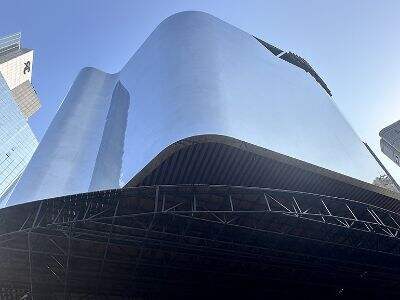
Delivering an efficient commercial metal curtain wall When it comes to energy savings and ensuring a comfortable interior: Performance plays a critical role in the metal curtain wall design. A metallic curtain wall is a building exterior, known for its ability to shield against weather and let in natural light. For businesses, insulating such walls properly can reduce heating and cooling costs. Chooshine, an industrial manufacturing company, provides remedies that help optimize thermal performance and save money in the long run. In this post we’ll explore why you want to optimize thermal performance and how to go about quantifying it for your curtain wall system.
What are the Main Advantages of Thermal Performance Optimization?
The advantages of a thermally performing metal curtain wall are numerous. First, it helps save energy. And if a building requires less energy to heat and cool, then it's used more efficiently, which lowers the overall energy bill. This is good for companies hoping to reduce costs. Second, a well-insulated stainless steel curtain wall ensures the interior of the building is comfortable. That is good news for employees and customers. Happy people are more productive and you want them to feel good about working for you. It can also add value to the building. If it’s a building with good thermal performance, it is more attractive to a future buyer or renter. They actually consider it to be a wise investment because in the long-run money will be saved. Furthermore, enhanced thermal behavior can also lead to sustainability of the environment. Less energy use equals fewer greenhouse gas emissions, for the better of our planet. The use of energy-efficient materials demonstrates a commitment to the environment. Lastly, a thermal efficient metal curtain wall can contribute to sound insulation from the exterior. This can help to keep the building naturally dry and make it more enjoyable inside. In general, tuning the heating and cooling systems in commercial buildings isn’t just about pocketing savings; it’s a way of generating environment-dependent benefits for all concerned.
Measuring the Heat Performance of Your Curtain Wall System
It is necessary to determine the thermal performance of curtain wall system in order to study its energy saving effect. Among the first attributes to examine, they say, is the U-factor. The U-factor indicates how effectively the wall resists heat escaping in winter and entering in summer. The lower the U-factor, the better the insulation. The Solar Heat Gain Coefficient (SHGC) is another critical rating. This figure indicates the amount of solar heat gaining through the wall. A reduced SHGC may help keep the building cooler on sunny days, particularly useful in hot climates. You could also tested the metal curtain wall systems for air leakage. This is telling you the amount of air can flow through the wall. Drafts and bloated utility bills may be the result of high air leakage. Low air leakage is better for comfort.
To accurately measure these factors, you may even want to hire a professional trained in building performance. They are able to use special tools and equipment to obtain accurate readings. With this information you will know what you need to work on. Using these measurements to adjust your curtain wall can literally save you boat loads of money in wasted energy. Many of these upgrades Chooshine can help you with as they cater their services to exactly what is needed. By monitoring and maximizing heat performance, companies will maximize the investment decision that they make in a metal curtain wall.
What’s New: Energy-Efficient Curtain Wall Systems?
Buildings today also need to be more energy efficient to save money and benefit the environment. One way to accomplish this is with curtain walls. A curtain wall is an elegant term for a type of wall made largely of glass or metal. It is applied to the exterior of buildings and it helps insulate the interior. The following are current trends in energy-saving curtain wall design, looking to special materials and smart technologies. For instance, triple-glazed glass is common in many of the newest curtain walls. This translates into there being three layers of glass, which helps to retain the heat indoors in winter and keep it cool during summer. This type of glass is quite good at keeping noise out as well, so buildings are quieter.
Another such trend is utilizing certain coatings over a glass. They can reflect sunlight into outer space to lessen the heat that reaches a building. This is significant because it allows air conditioning systems to run less, which saves energy. Some plans even incorporate green elements, such as places to plant shrubs or flowers. This is typically referred to as “green architecture.” Plants can cool the air around a building and make that air more beautiful.
Many companies, including Chooshine, are also working to make their curtain walls more sustainable. That requires relying on materials with a greater environmental and recyclable value. It is also because it’s made out of aluminum, which can be easily recycled and returns only one-twentieth as much pollution to the earth compared with mining new aluminum. Additionally, some curtain walls include rainwater harvesting systems that will recycle water back into the workplace. And the these trends are all about going beyond good looks to actually putting up buildings that save energy and protect our world.
Wholesale High Thermal Rating Curtain Wall Product ManufacturerSupply with Top Notch.
In your search for energy efficient curtain wall products, it’s crucial to partner with the right suppliers. One terrific option is to purchase wholesale. This involves buying items in bulk from the manufactures. Purchasing in bulk can save money and help you get quality materials. To start, check into companies that specialize in curtain walls. Chooshine is a reputable brand and offers a variety of curtain wall products with high thermal values. In terms of thermal ratings: High is good. They’re very good at keeping heat in or out, and that’s ideal for energy efficiency.
If possible, it’s also useful to go to trade shows and fairs. The latest in building materials and techniques are often on display, too. You can visit various suppliers, view their products face to face and ask questions. And speaking to industry experts can also give you insight into which products work best as well as how they perform in varying conditions. Online sites are another good source. Many web sites targeted on construction and architecture include providers of supplies in their list. You can check prices, read reviews and even get special offers on curtain wall systems.
When choosing a vendor, you should pay attention to certificates or ratings that reveal how energy effective their products are. A lot of businesses even now have some kind of environmental certificate that says, “We do care about this stuff.” It’s a good idea, too, to ask for samples of the products before making such a big purchase. In that way you can evaluate the quality and how well they will fit into your project. The fact of the matter is, by sourcing quality curtain wall products for your building you can help your property look good and stay solid.
What Are The Factors Affecting the Thermal Efficiency of Metal Curtain Wall?
There are some significant factors influence the thermal performance of metal curtain walls. The type of substances used is one of the largest influences. Other metals and glass types have different insulative qualities. For instance, aluminum is a common material used because it is strong and light. But it can also conduct heat readily, so it needs special coatings or fillers to enhance its thermal performance. Several companies, such as Chooshine, incorporate high-tech materials that are engineered to reduce heat transfer and maintain buildings at a comfortable temperature all year long.
The design of the curtain wall itself is another issue. How the wall is constructed can matter quite a lot. Engineers obsess over how the glass is oriented and how the metal frames are constructed. A carefully designed curtain wall contains fewer gaps for air to escape. The use of thermal breaks — materials that separate the inner and outer sides of the wall face, interrupting the transfer of heat can help to mitigate those losses. There’s also a question of how the glass panels are spaced and arranged. Done too far apart and you could have cold pockets.
Weather, too, is a factor in thermal efficiency. A building in an area of extreme heat or cold would need stronger thermal performance. In cold climates, what’s needed is often for buildings to be insulated so they retain heat. In warmer climates, coatings on the glass can reflect sunlight and keep heat out. Also, the building’s orientation matters. Buildings positioned to face the sun may require special design considerations to avoid heat gain. By factoring in these considerations, builders can design curtain walls that aren’t just pretty to look at but also serve as a means of conserving energy and maintaining building comfort.
Table of Contents
- What are the Main Advantages of Thermal Performance Optimization?
- Measuring the Heat Performance of Your Curtain Wall System
- What’s New: Energy-Efficient Curtain Wall Systems?
- Wholesale High Thermal Rating Curtain Wall Product ManufacturerSupply with Top Notch.
- What Are The Factors Affecting the Thermal Efficiency of Metal Curtain Wall?